There is a strange pattern of using dates to mark events in Armenia. Two of these are March 8th and April 7th. They commemorate International Women’s Day and Mother’s Day, respectively. With a full month’s gap in between, this is come to be known as Women’s Month, as signs and wellwishers state the same thing – Ձեր Միամսյակը Շնորհավոր.
While women around the world lament that they are remembered only once or twice a year, Armenians can boast a full month of events, gifts, and special treatment. Businesses capitalize on this and target men who are keen on making the women in their lives happy. This includes mothers, wives, girlfriends, sisters, cousins, and any other female a male might be close to. Florists hike up the prices and enjoy a full month of increased sales. Chocolatiers encourage couples to bask in the sweetness of their love. Kids around the city walk around with roses and tulips to sell. With the start of the spring season comes the business of old ladies with tiny yellow and purple sprouts they have procured from the fields, coupled with small papers of printed papers presenting messages of love towards beautiful women and fruitful mothers. For a country that reveres motherhood, all this fits perfectly into its narrative.
International Women’s Day was originally celebrated on February 28, 1909, in America. It only became widespread with its adoption in Soviet Russia when women gained suffrage on March 8, 1917. Becoming an annual holiday, it later spread across the world and was officially added to the UN’s celebrations in 1975. Most countries still barely remember its existence, but not Armenia. Here, it is not only celebrated but declared a state holiday celebrating womanhood. There are no protests, no upheavals, nothing negative connected with the day here. On the contrary, state workers enjoy the festivities while businesses make up for the slow season that comes after the New Year partying.
As for April 7, while some celebrate it as World Health Day, Armenia has a long-standing tradition dedicated to the festivities of the ancient fertility goddess, Anahit. This is a day Christian Armenia has also adopted as in celebration of the Conception of Christ, to be born 9 months later on January 6, Christmas Day. In the old calendar, April was known as Arats and the 7th day named Anahit. The goddess is often depicted wearing a wreath of flowers on her head on this day, while the pagan populations brought fresh sprouting branches to the temples dedicated to her name. To this day, April 7 is Armenia’s Motherhood and Beauty celebration; flowers are presented to all the mothers and beautiful women in one’s life. Peacock feathers are a less common but equally traditional gift. Since a woman is considered most beautiful when pregnant, the country is especially good for expecting women.
If you are a woman in Armenia, enjoy the month! You deserve it!







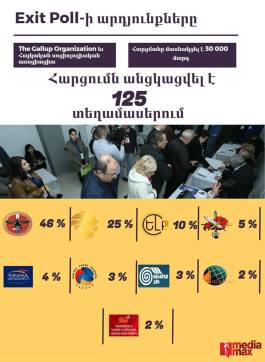
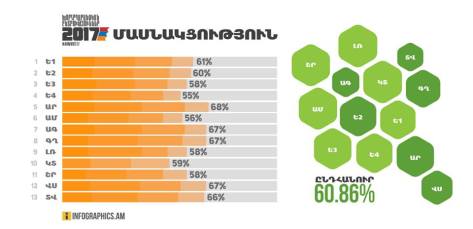
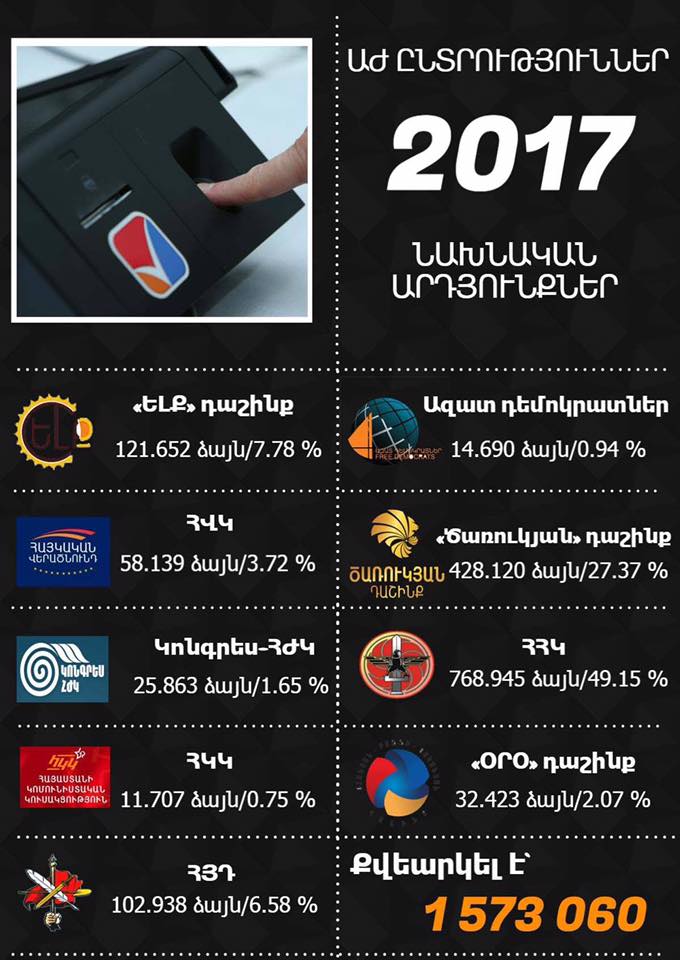
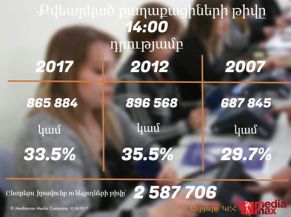
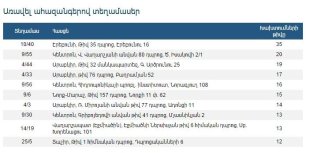
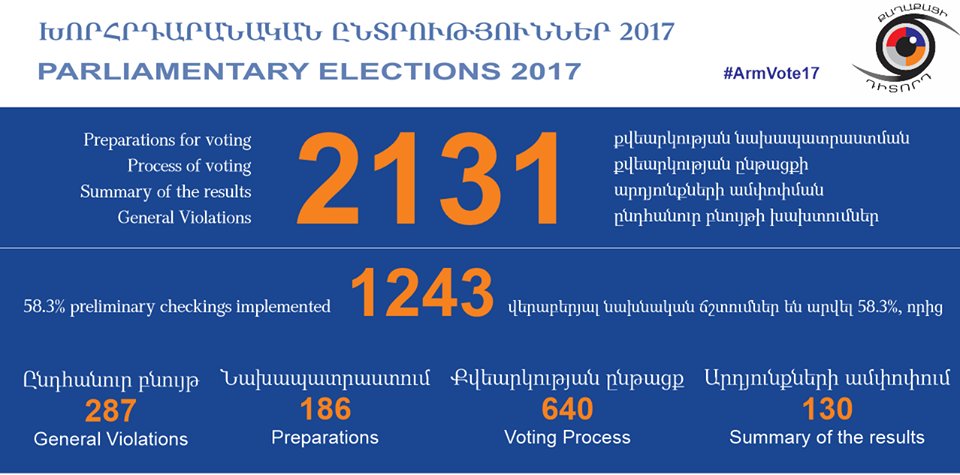
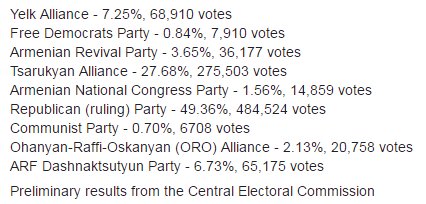
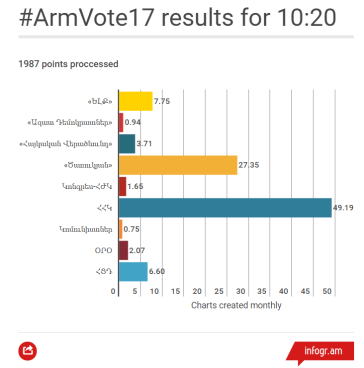
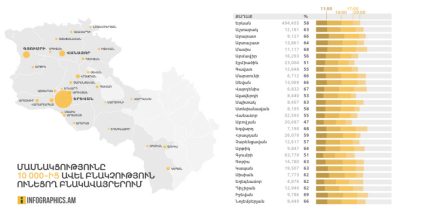 For more infographics about #ArmVote2017, check out http://armvote17.infographics.am/
















 Notes of a Spurkahye Finally Come Home